By Eliseah Robinson, BIA Innovator Campus, and Roshmita Kanungoe, Innovation Value Institute
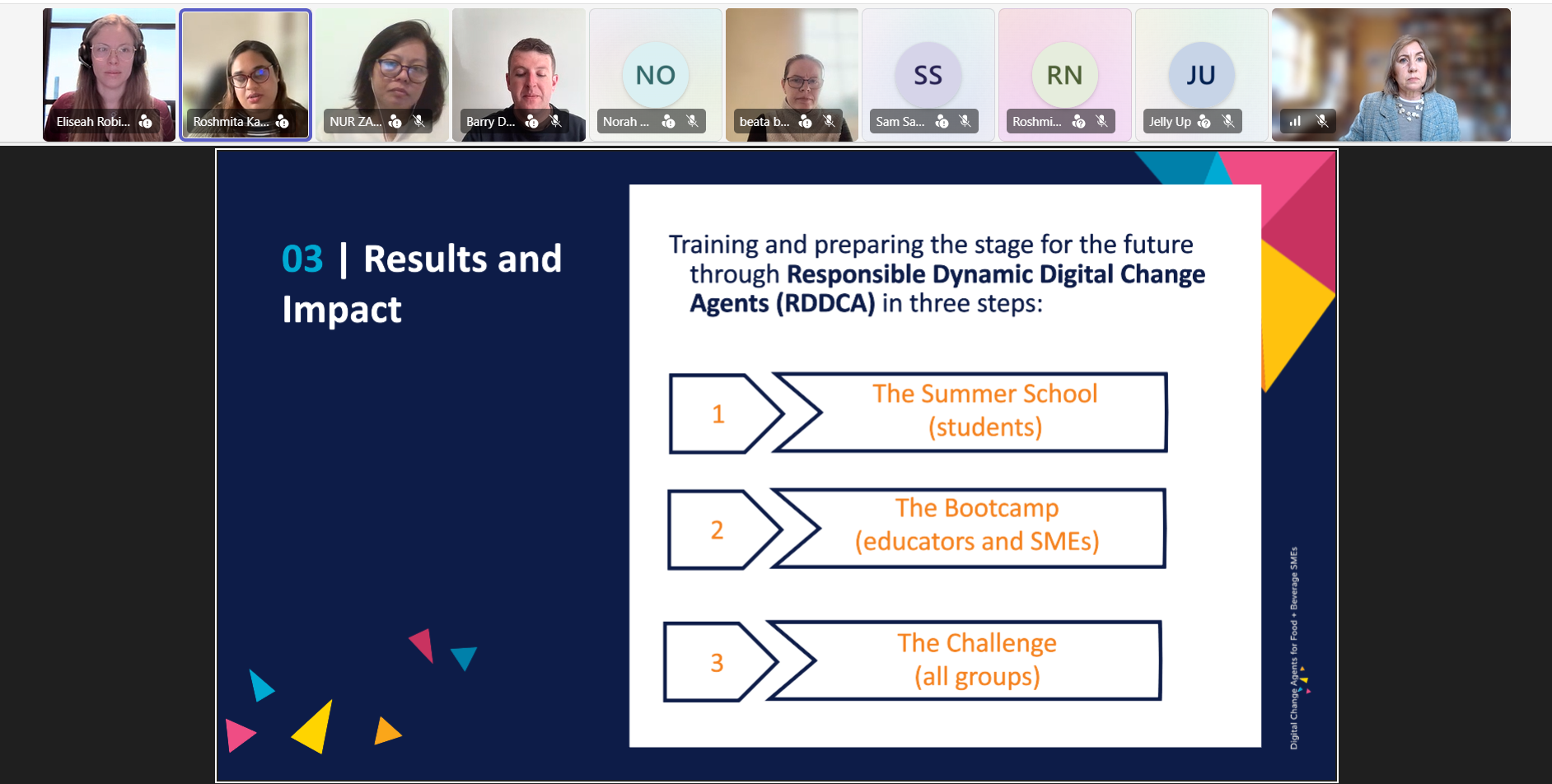
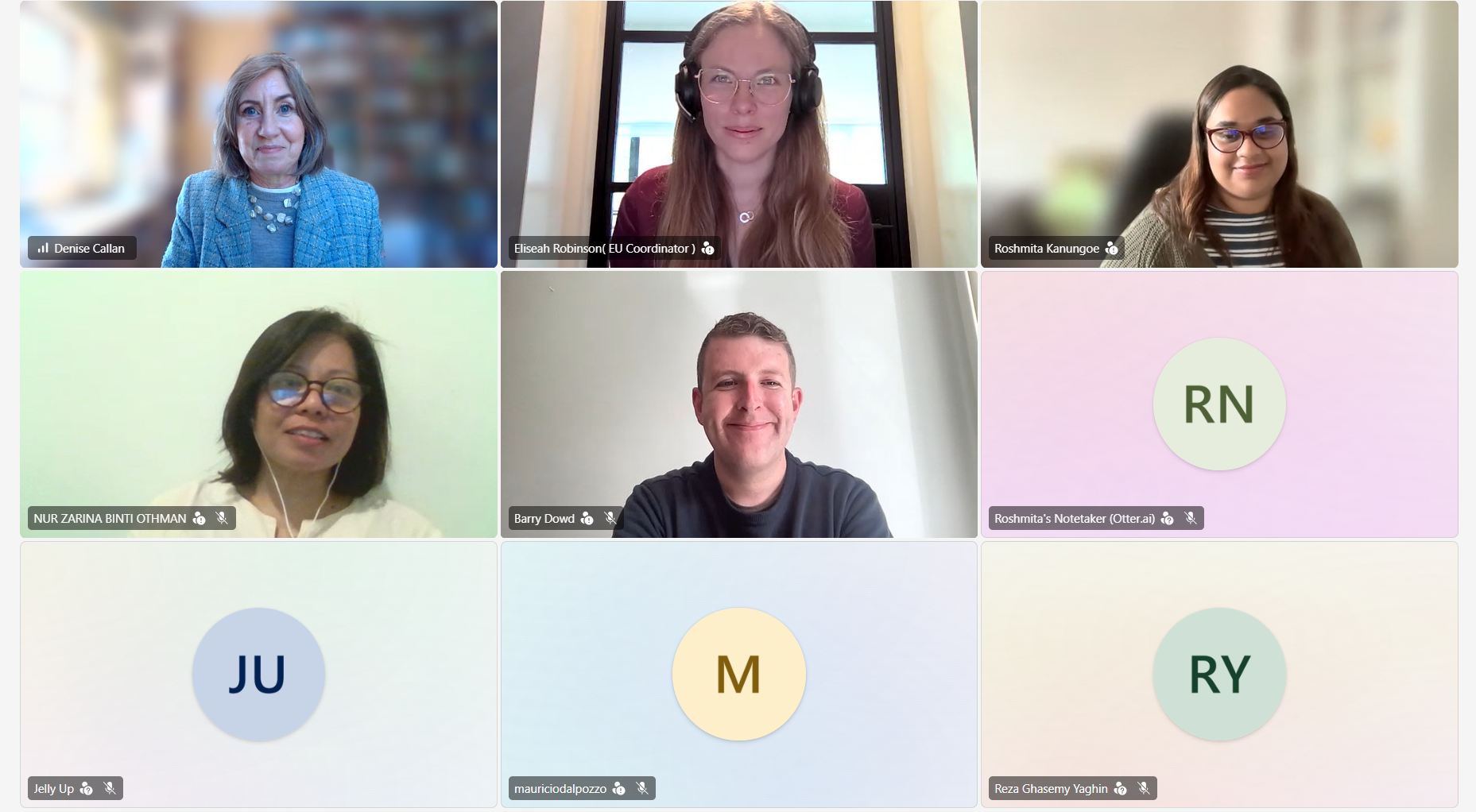
The DigiFABS consortium has hosted its Impact Workshop Series in recent weeks—an open forum and discussion exploring the outcomes of the DigiFABS project. The Irish edition, hosted by Innovation Value Institute at Maynooth University in partnership with BIA Innovator Campus, brought together academic institutions, students, and food and beverage SMEs. Participants engaged in a dynamic seminar highlighting key project results and learning experiences, followed by a guided discussion on real-world impact —what worked, what could be improved, and what it means for the future of Ireland’s F&B sector.
As the project enters its final year, there is a strong emphasis on gathering stakeholder feedback to further refine and strengthen the programme. This reflective phase is essential to ensuring that DigiFABS remains aligned with both industry demands and academic expectations. Beyond continuous improvement, the consortium is also focused on extending the project’s legacy and ensuring its outputs deliver long-term value.
A central highlight of the discussion was the SME Goes Digital Challenge, which received overwhelmingly positive feedback and was widely regarded as the most impactful component of the DigiFABS training programme. This real-world learning intervention effectively bridged the gap between theoretical university education and practical business realities. Students noted significant gains in teamwork, leadership, and problem-solving skills, while also valuing the opportunity to apply their learning directly to real SME operations.
A key area of reflection during the workshop was the value proposition for SMEs. DigiFABS offered participating businesses access to multidisciplinary student teams who worked on real operational challenges—developing outputs such as proof-of-concepts, prototypes, process maps, and strategic recommendations. For SMEs, this represented a unique opportunity to explore digital transformation in a low-risk, resource-efficient way while gaining fresh external perspectives. At the same time, the discussion highlighted the importance of more clearly communicating this value to SMEs from the outset to maximise engagement and impact.
Looking ahead, these valuable insights will directly inform the optimisation of the DigiFABS course offering. The training modules are set to be adapted into a MOOC format and made accessible via the project website, expanding their reach and usability. The workshop clearly demonstrated that DigiFABS’ mission—to support the digital transformation of the food and beverage sector—continues to resonate strongly with both academia and industry.