The food and beverage (F&B) sector is one of the most vital and complex industries globally. It spans the entire value chain—from primary production and processing to packaging, logistics, retail, and consumption—employing over 4.5 million people in the EU alone and generating more than €1.1 trillion annually. Beyond its economic footprint, the F&B sector plays a central role in social stability, public health, and environmental impact.
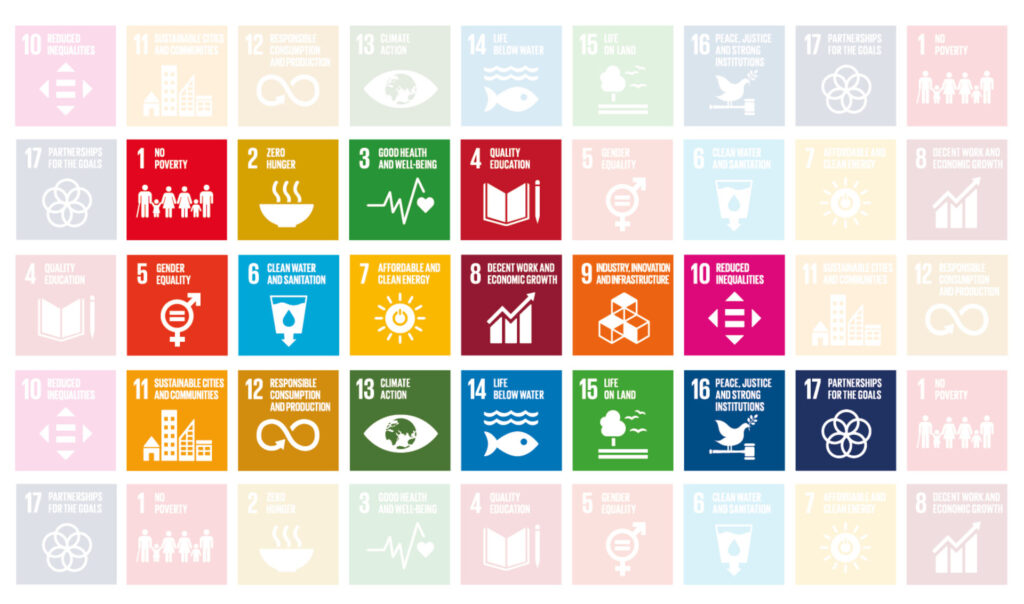
This sector is directly linked to several United Nations Sustainable Development Goals (SDGs), including:
The F&B sector is also particularly exposed to global shocks, such as geopolitical conflicts, pandemics, and climate events. These shocks disrupt supply chains, limit access to raw materials, and increase volatility in food prices. Furthermore, as consumer expectations evolve, the industry is under growing pressure to become more resilient, transparent, and sustainable.
In recent years, the food and beverage sector has undergone a profound transformation driven by changing consumer behavior, scientific advances, and policy shifts. Consumers are increasingly prioritizing health-conscious, sustainable, and personalised food choices, demanding cleaner labels, plant-based alternatives, and traceability of ingredients.
At the same time, digitalisation is accelerating across the sector, enabled by technologies such as artificial intelligence, machine learning, blockchain, and IoT. These innovations are being adopted not only to optimise production and logistics but also to meet stricter food safety and labelling regulations. In parallel, climate and biodiversity concerns are pushing companies to rethink their sourcing practices and reduce emissions along the supply chain.
The convergence of health, sustainability, and technology is no longer a future vision—it is a current reality. However, while some large corporations lead the way in innovation, small and medium-sized enterprises (SMEs) often struggle to keep up due to resource constraints, digital skill gaps, and regulatory complexity.
This evolving landscape sets the stage for a series of complex challenges. Ensuring food safety and quality while navigating digital transformation and sustainability goals is a demanding task—especially for SMEs.
In the following slides, we explore these core challenges in more depth, with special attention to the role of AI/ML and blockchain technologies as both solutions and sources of disruption.
The F&B sector is grappling with significant supply chain disruptions due to geopolitical conflicts, pandemics, and climate-related events. These disruptions have led to increased costs for raw materials, energy, and transportation, placing financial strain on businesses, especially SMEs.
Food production is a major contributor to greenhouse gas emissions, accounting for approximately one-third of global emissions. Simultaneously, the sector is vulnerable to climate change impacts like extreme weather events, which threaten agricultural productivity and food security.
The F&B industry faces an evolving regulatory landscape with stringent requirements on food safety, labelling, and sustainability. Consumers are increasingly demanding transparency, ethical sourcing, and environmentally friendly practices, compelling companies to adapt rapidly to maintain trust and compliance.